Animal Drawing
From simple shapes to fur, feather and scale.
Animals won't hold a pose, so drawing them teaches you to see structure fast. A week from basic shapes and skeletons to texture and motion.
Your progress is saved in this browser. Sign in to keep it everywhere.
Shapes first Done
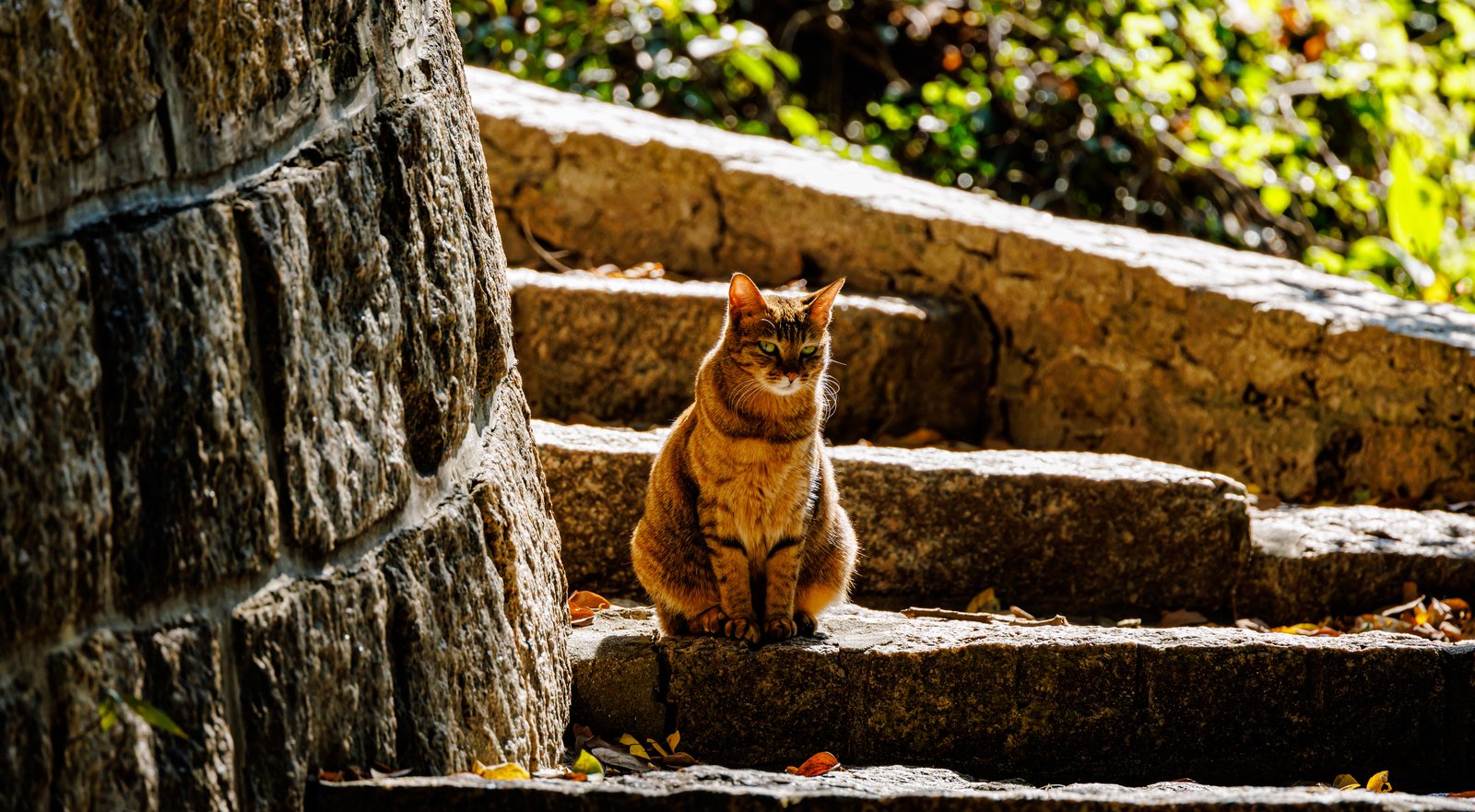
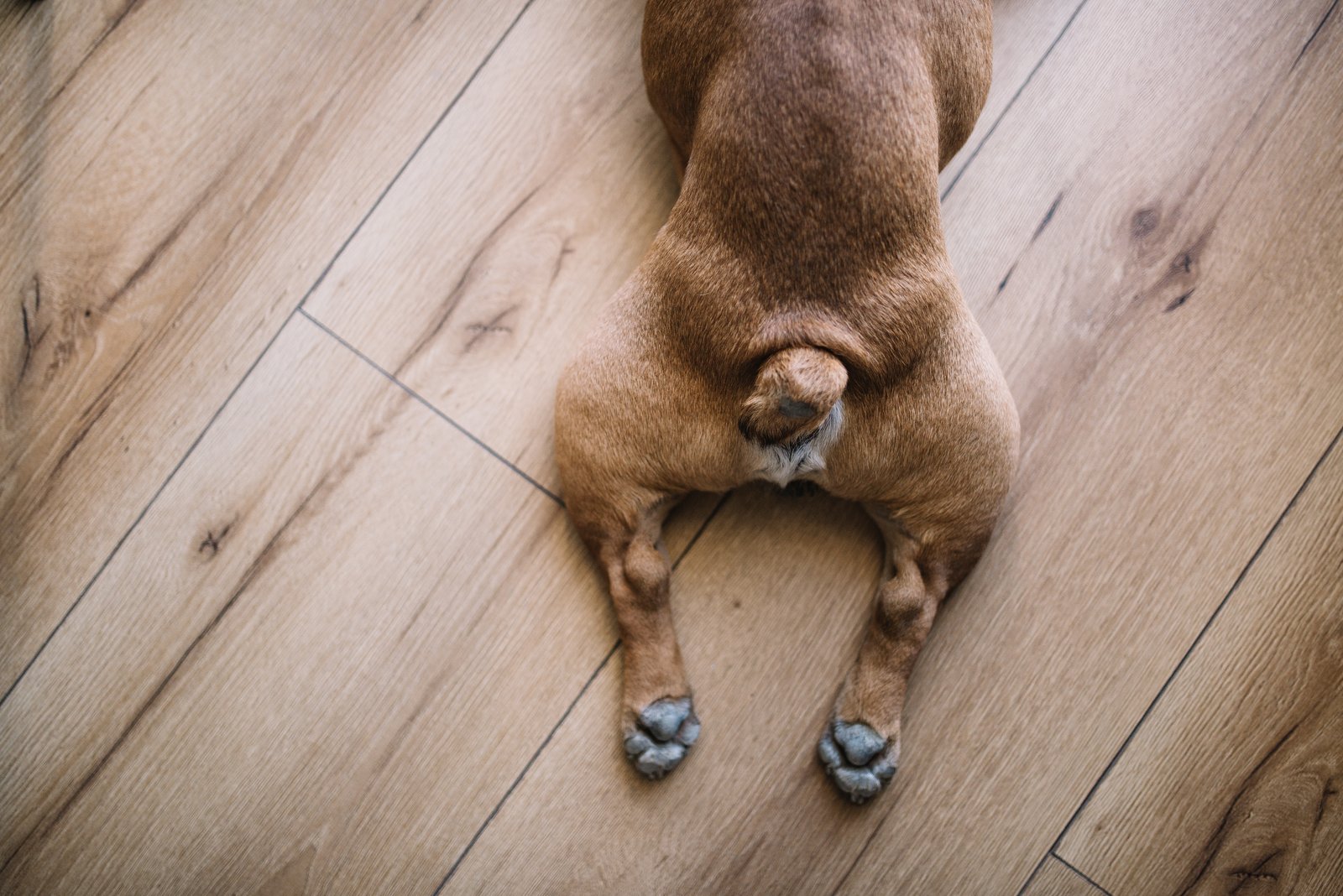
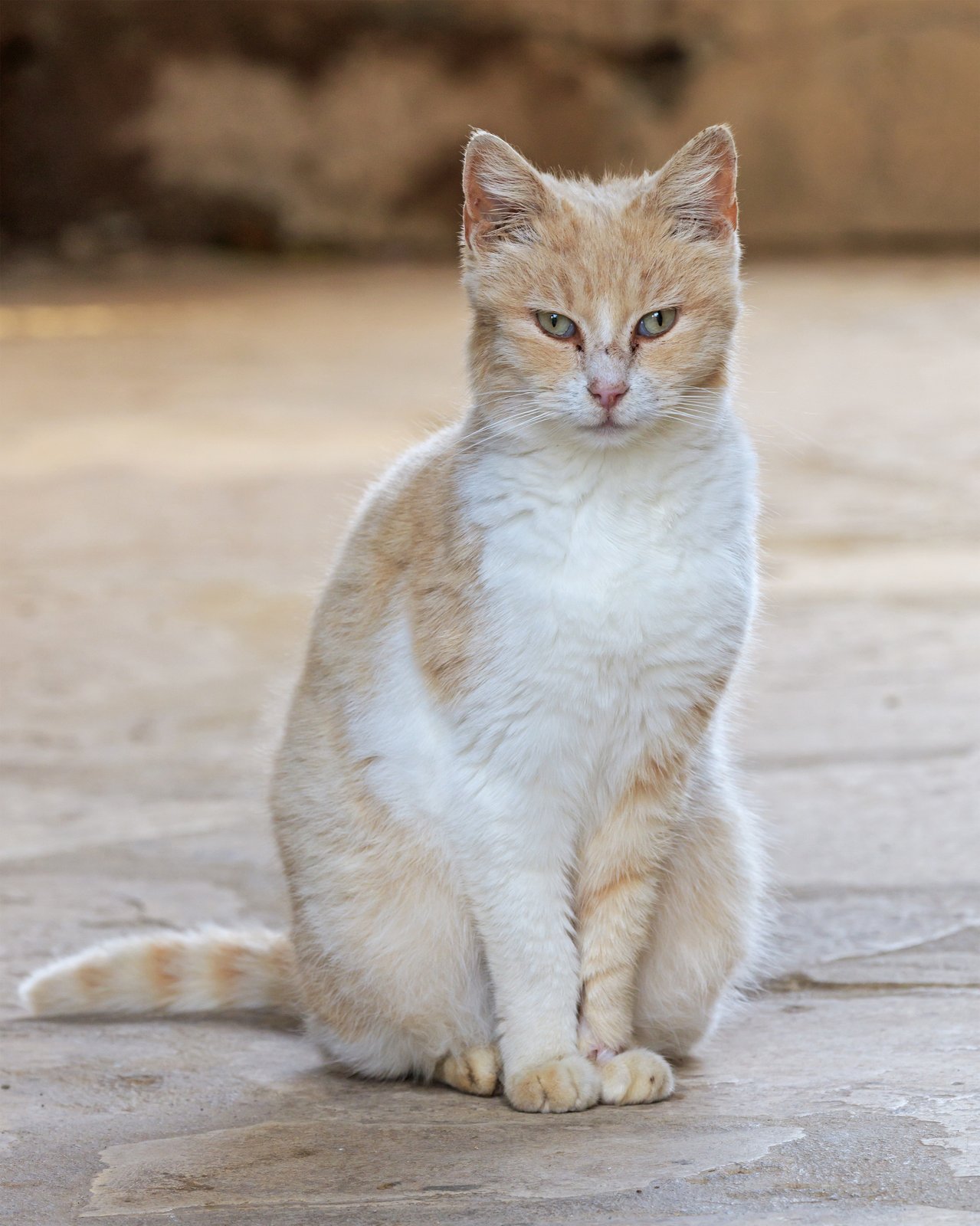
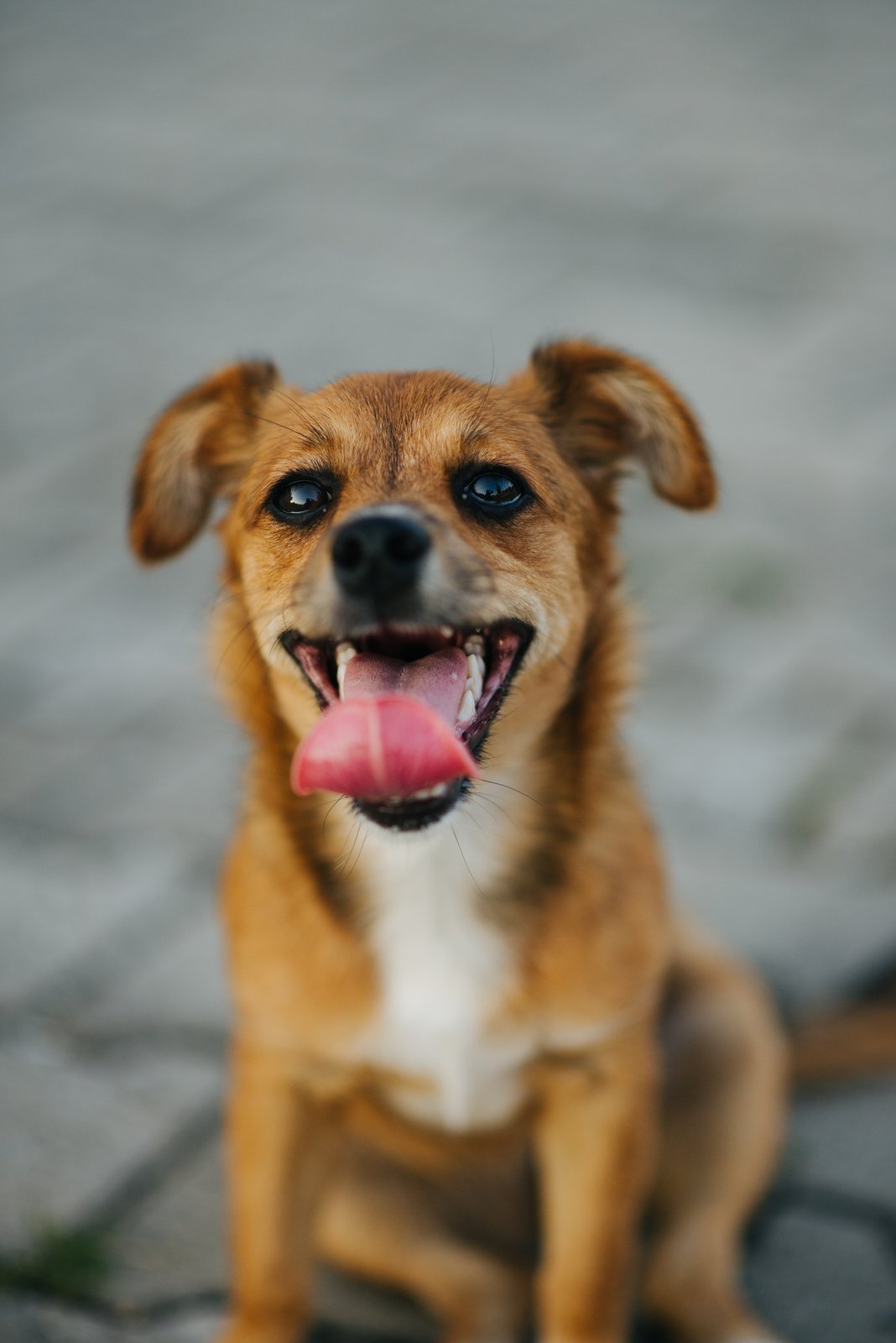
Every animal is a few big shapes: a bean for the body, a ball for the head, tubes for the legs. Get those proportions right before any fur or features.
 +6 more
Under the skin Done
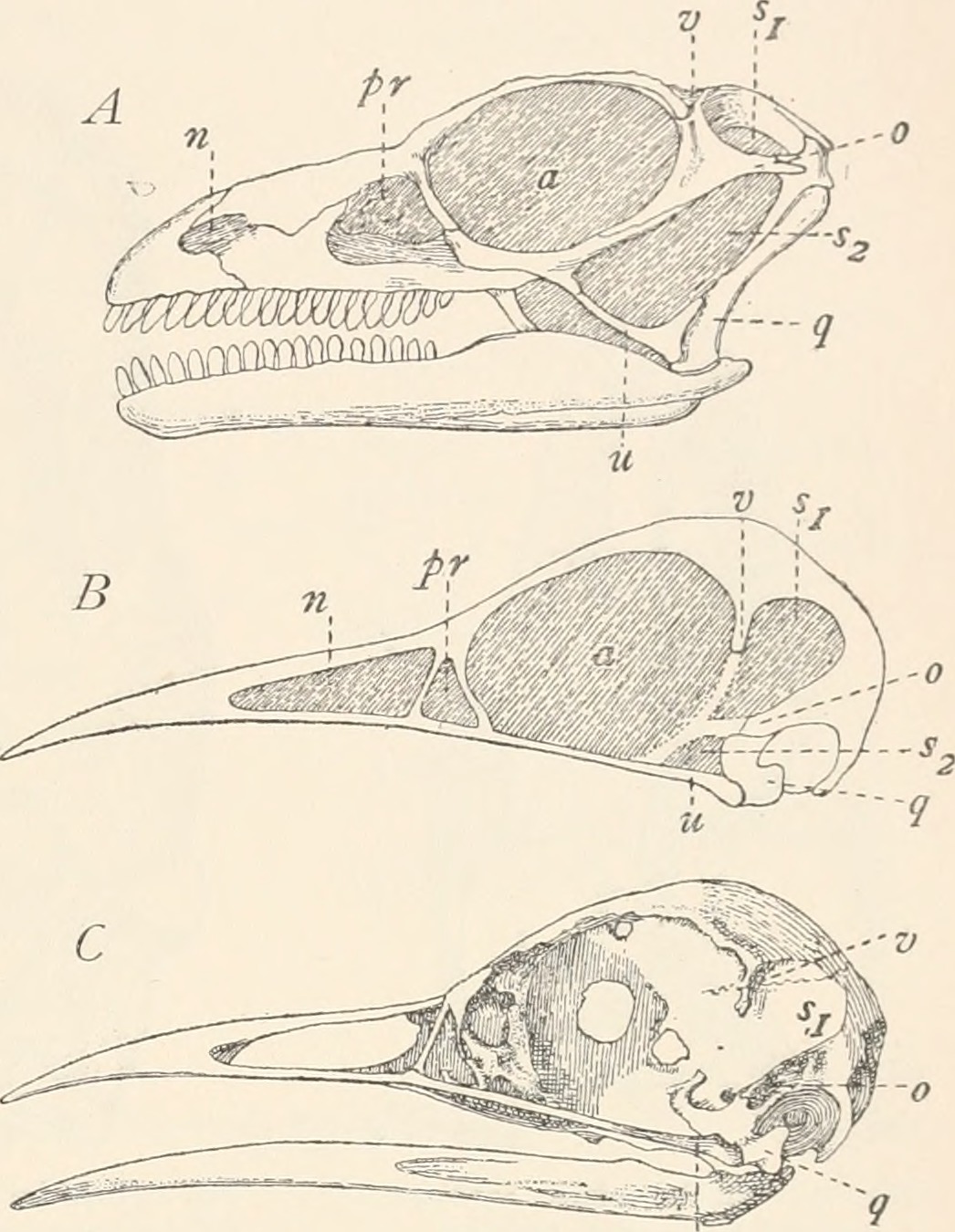
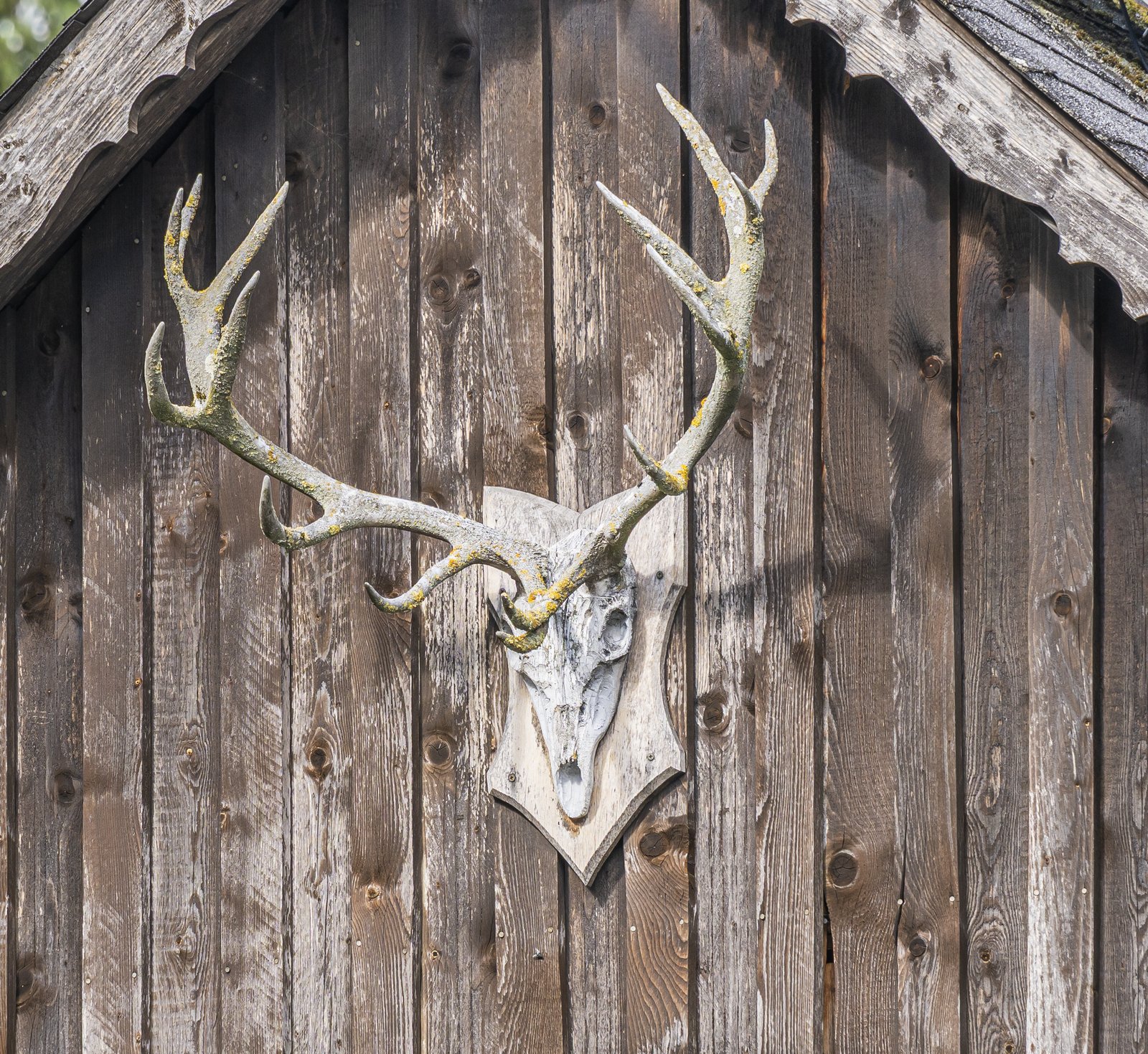
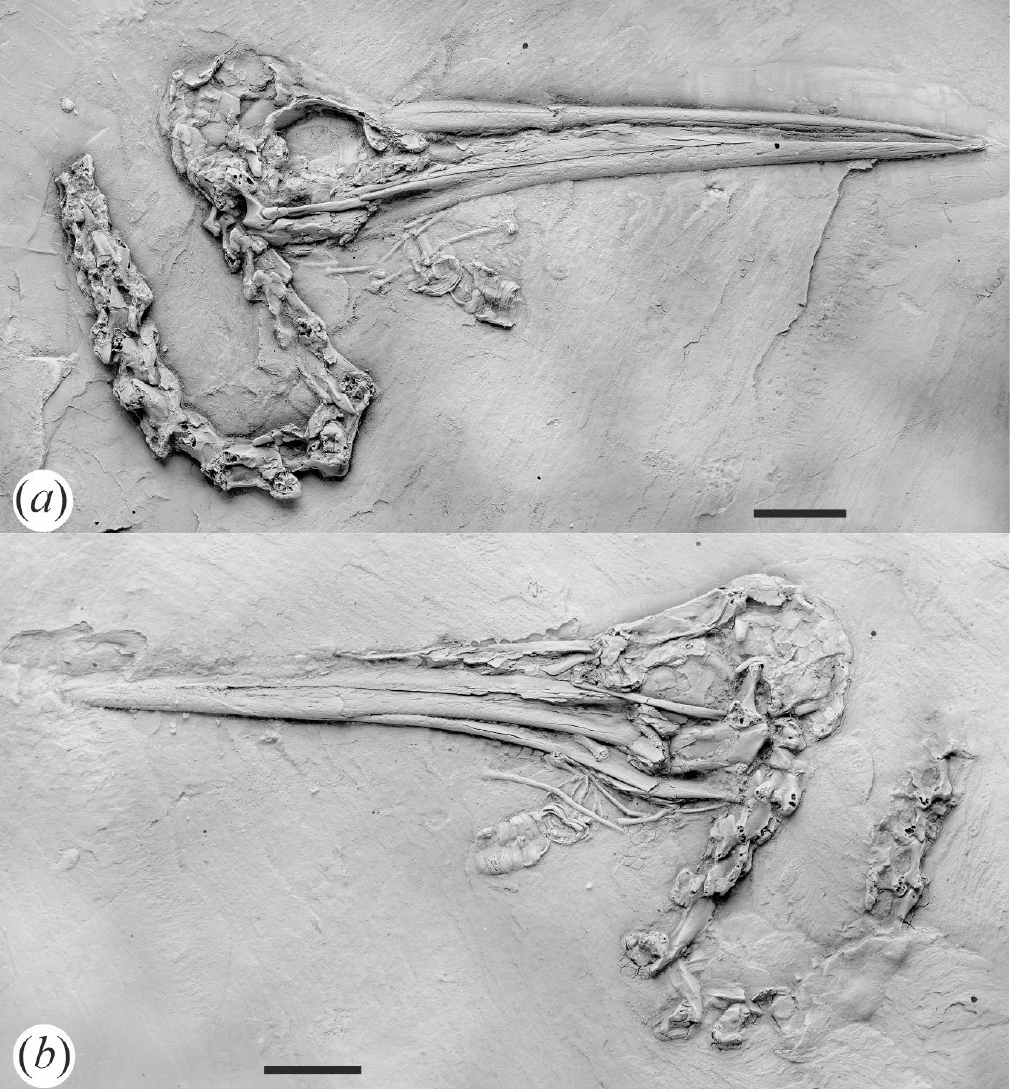
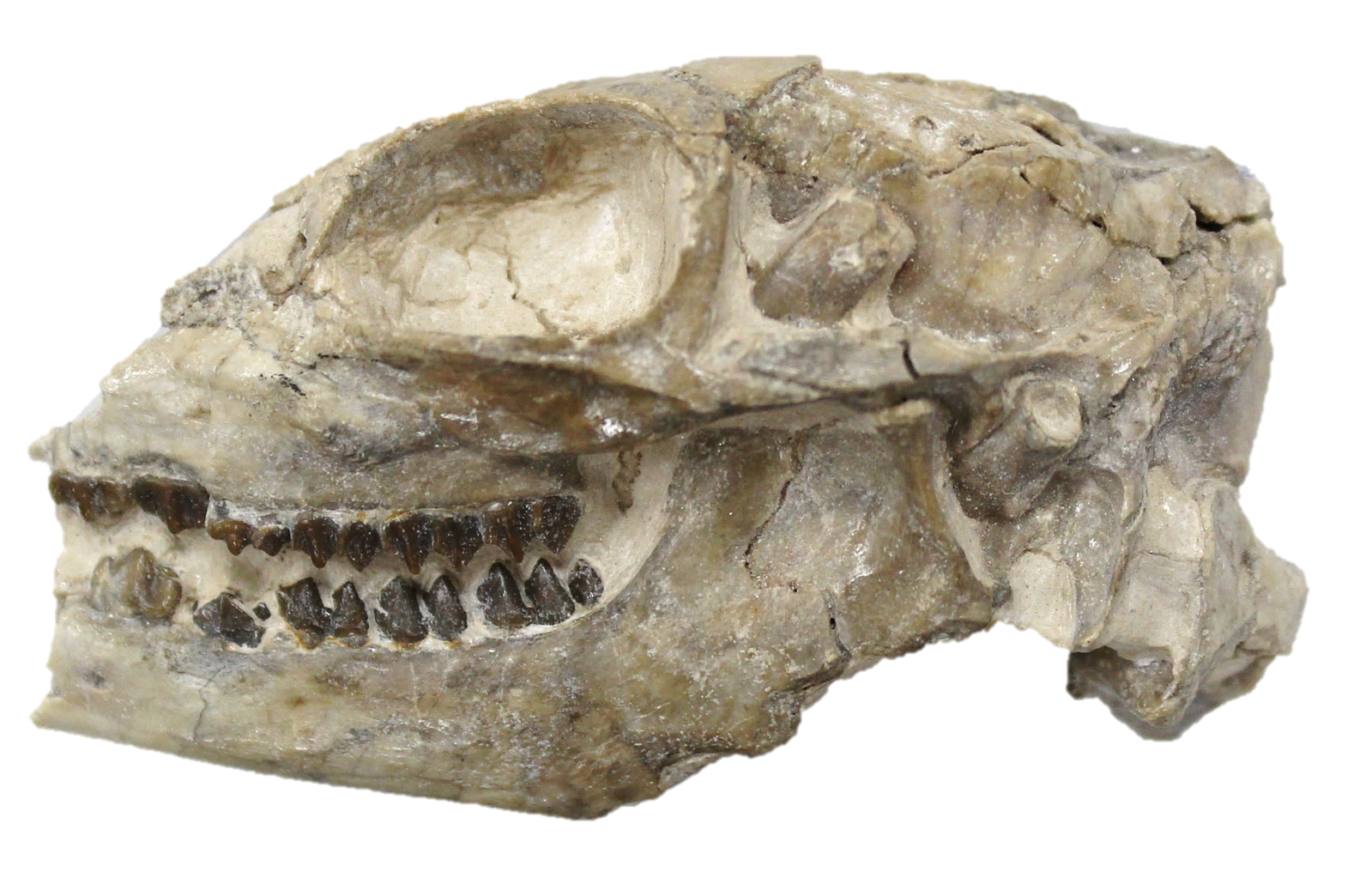
Skulls show you what fur hides: where the eye sockets sit, how long the muzzle really is, where the jaw hinges. Draw them slowly and you will draw living heads better.
 +2 more
Birds Done
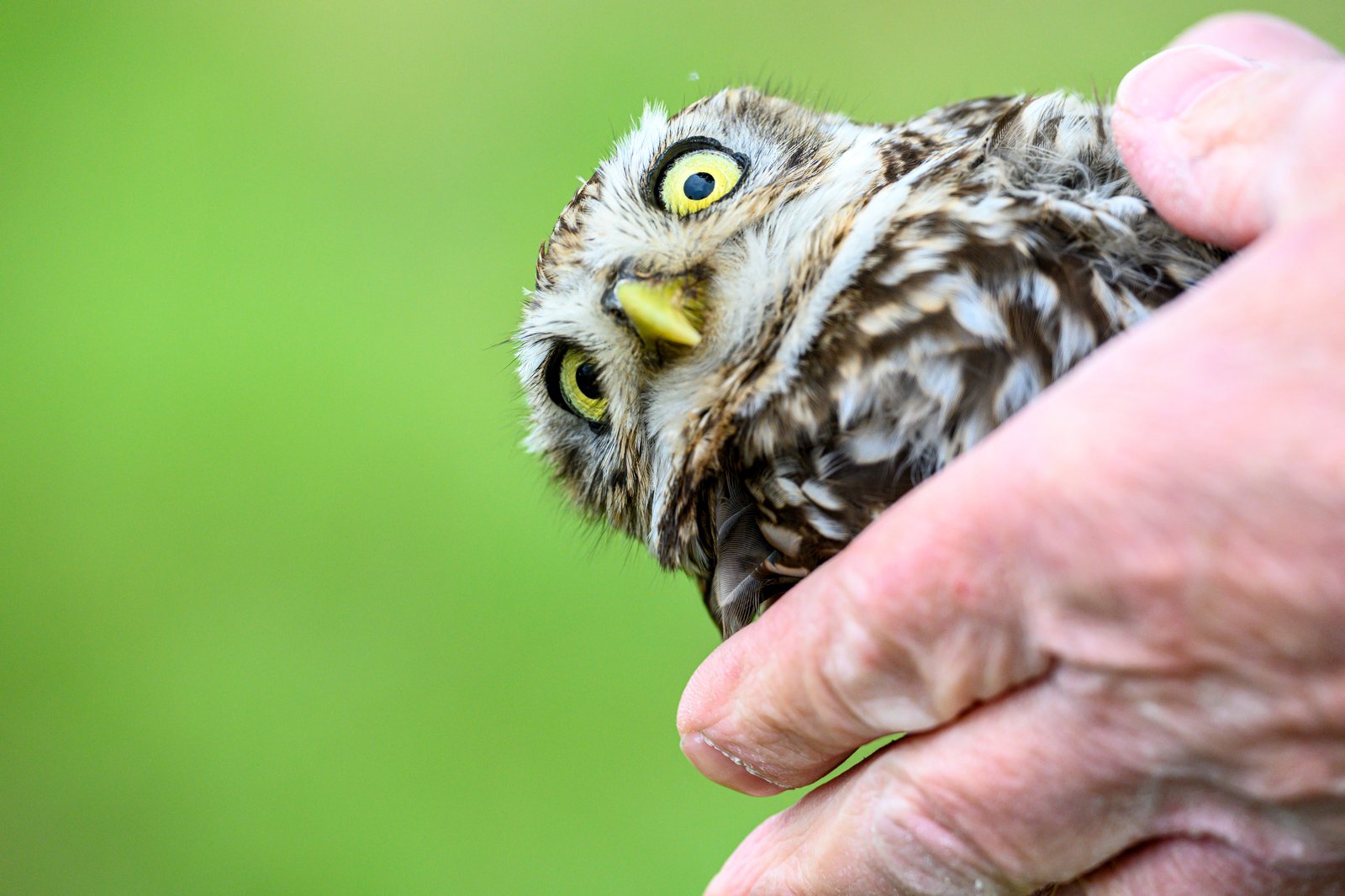
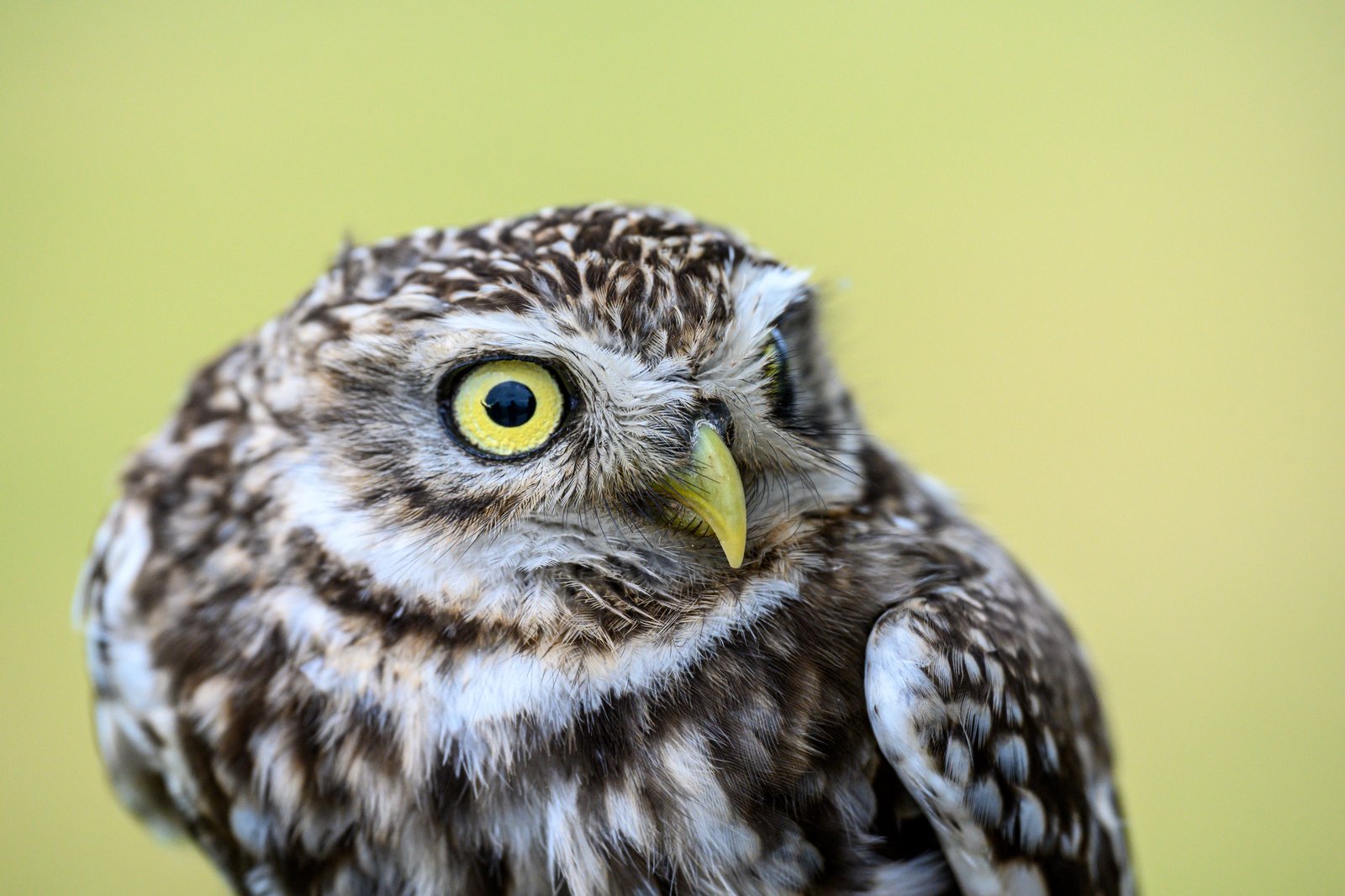
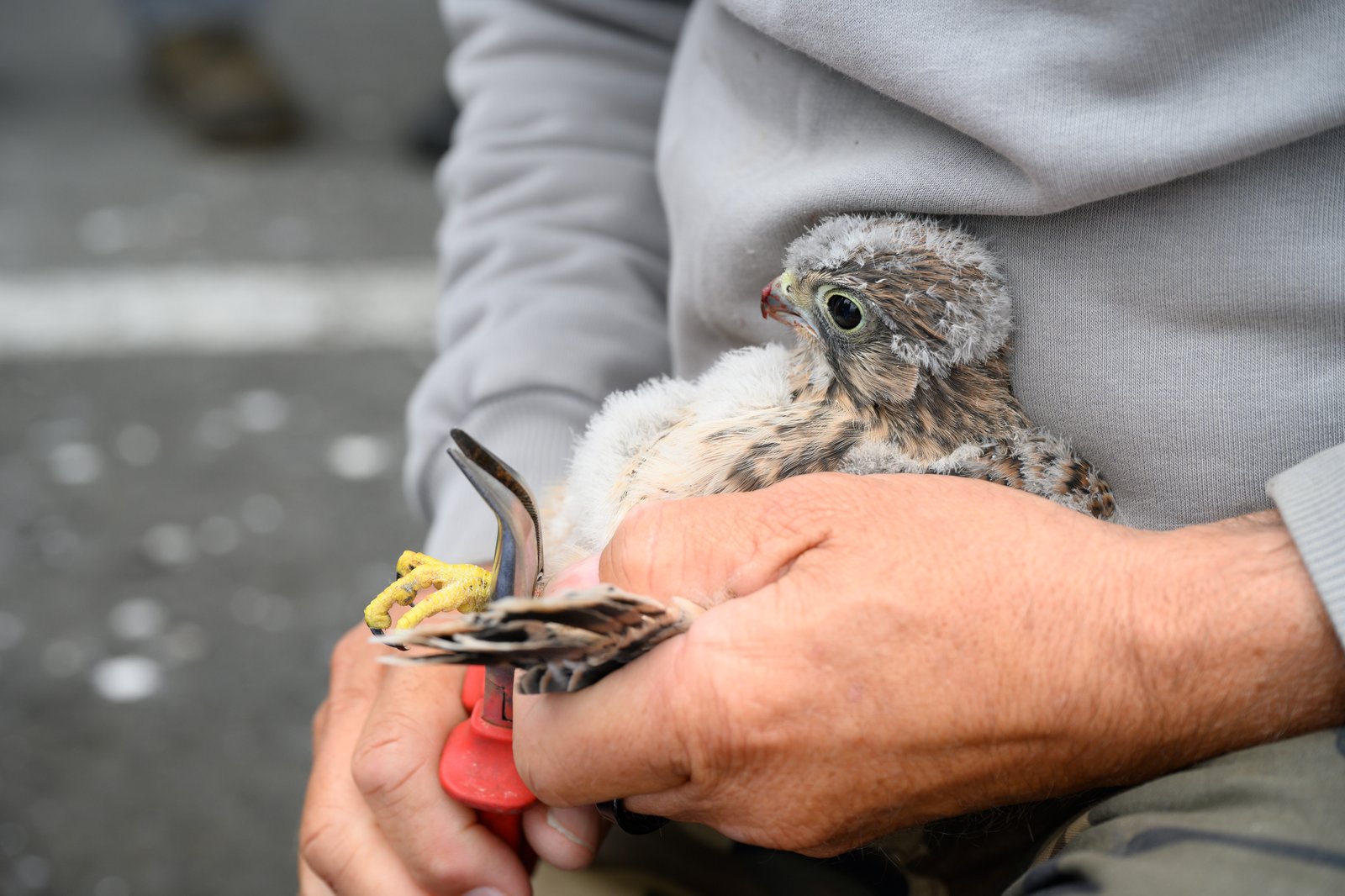
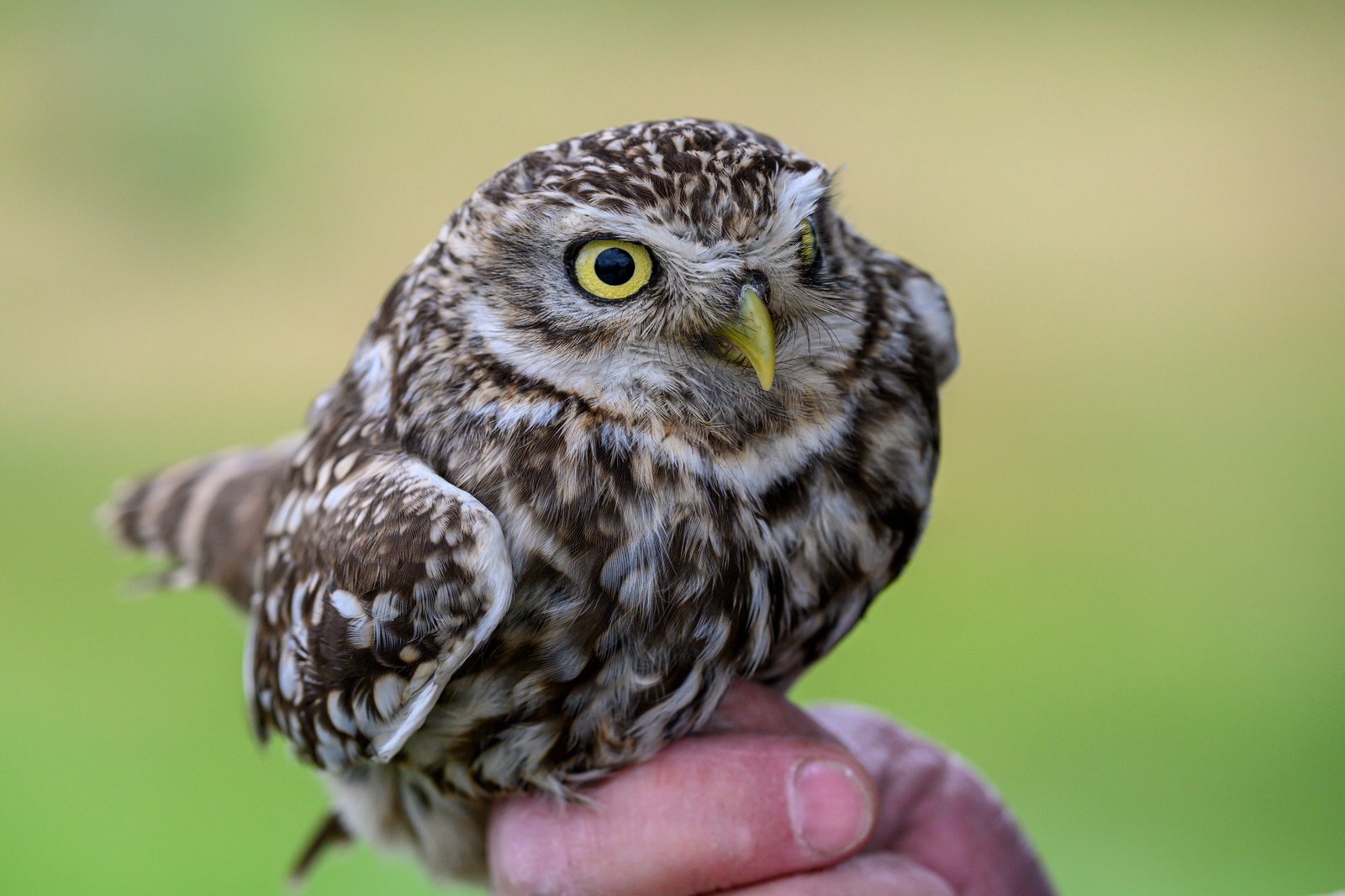
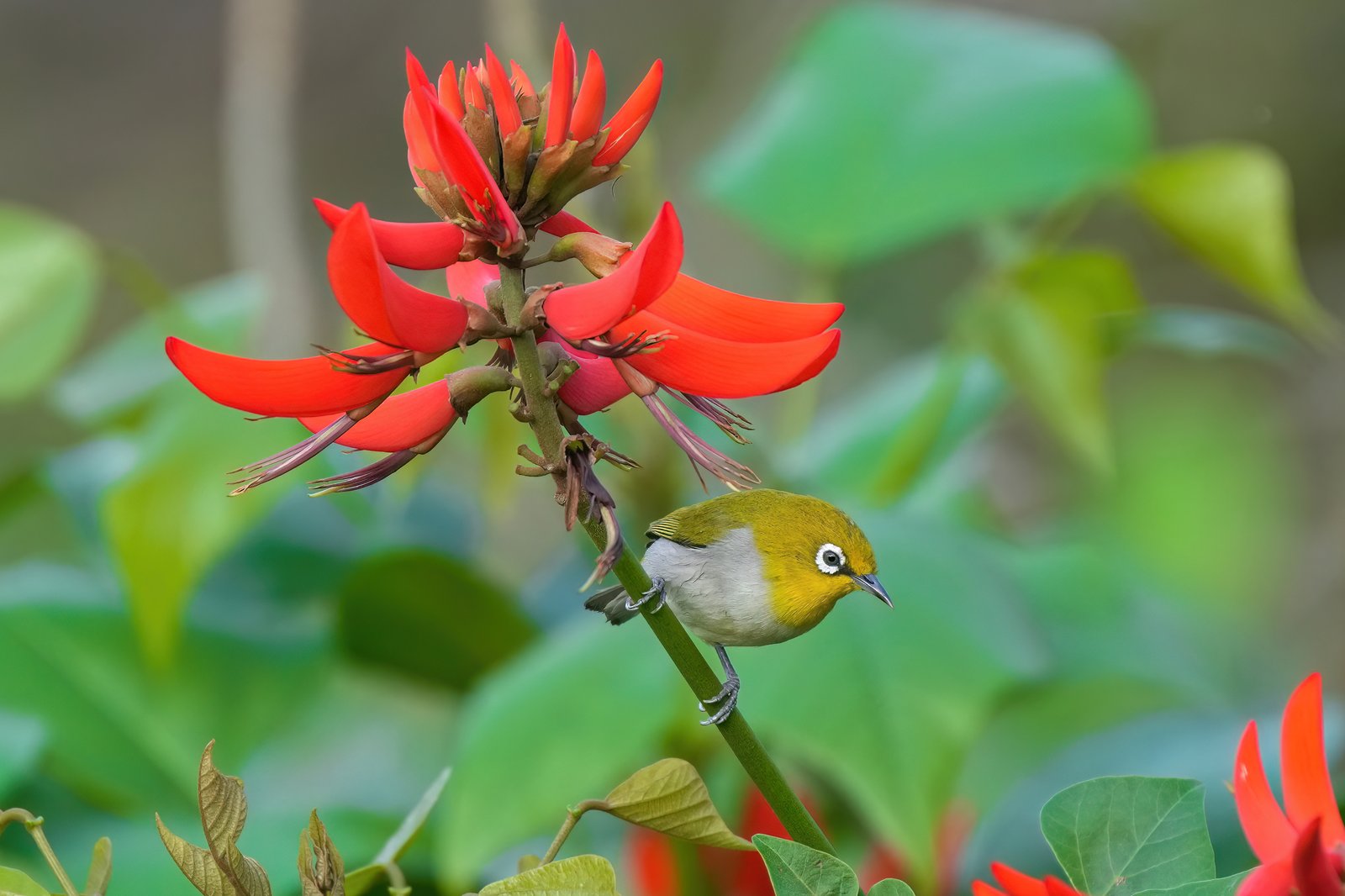
A perched bird is two ovals, head and body, with a wedge for the tail. The legs bend backward at what looks like the knee but is actually the ankle. Feathers come last, in groups, not one by one.
 +3 more
Horses Done
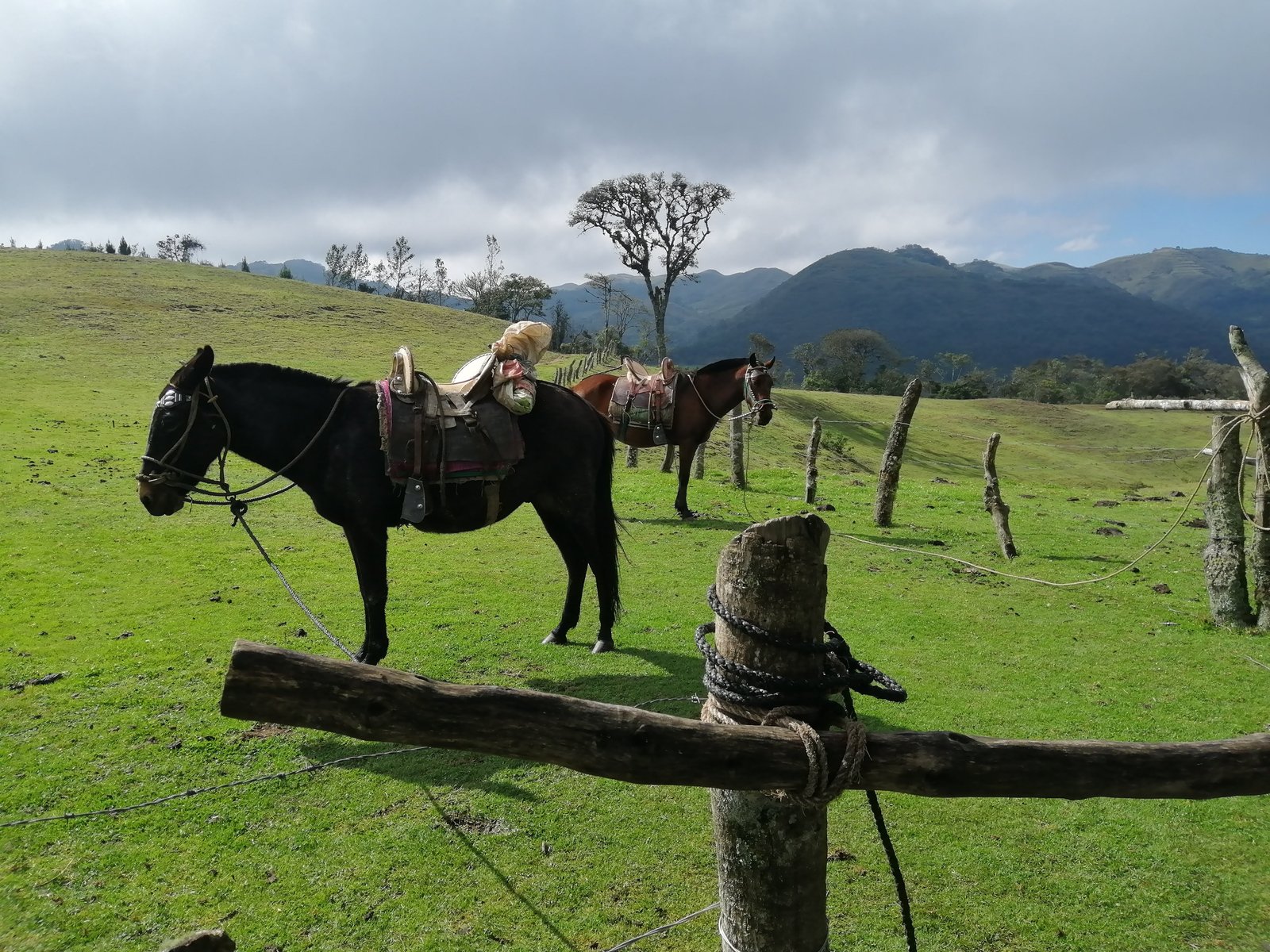
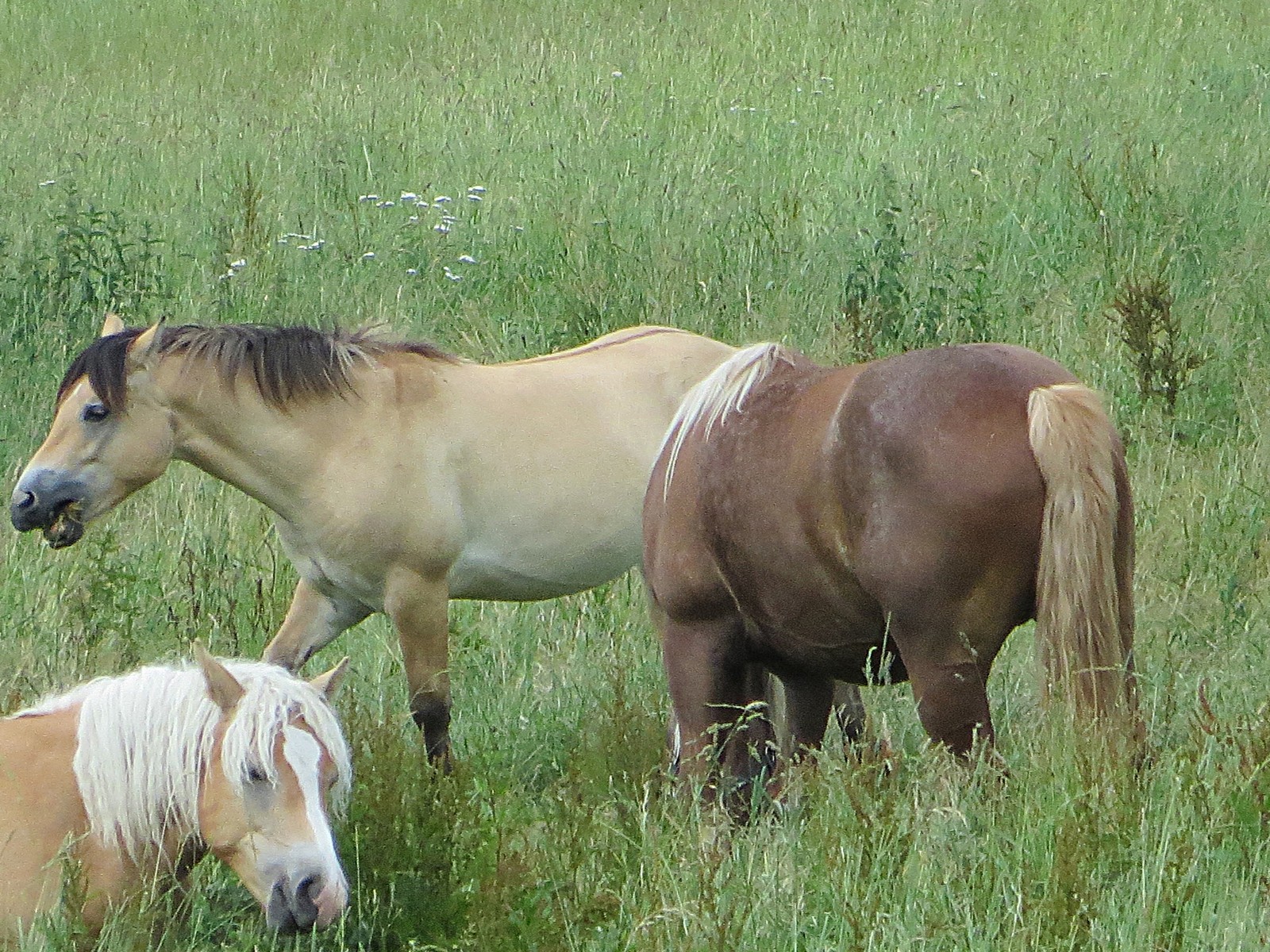
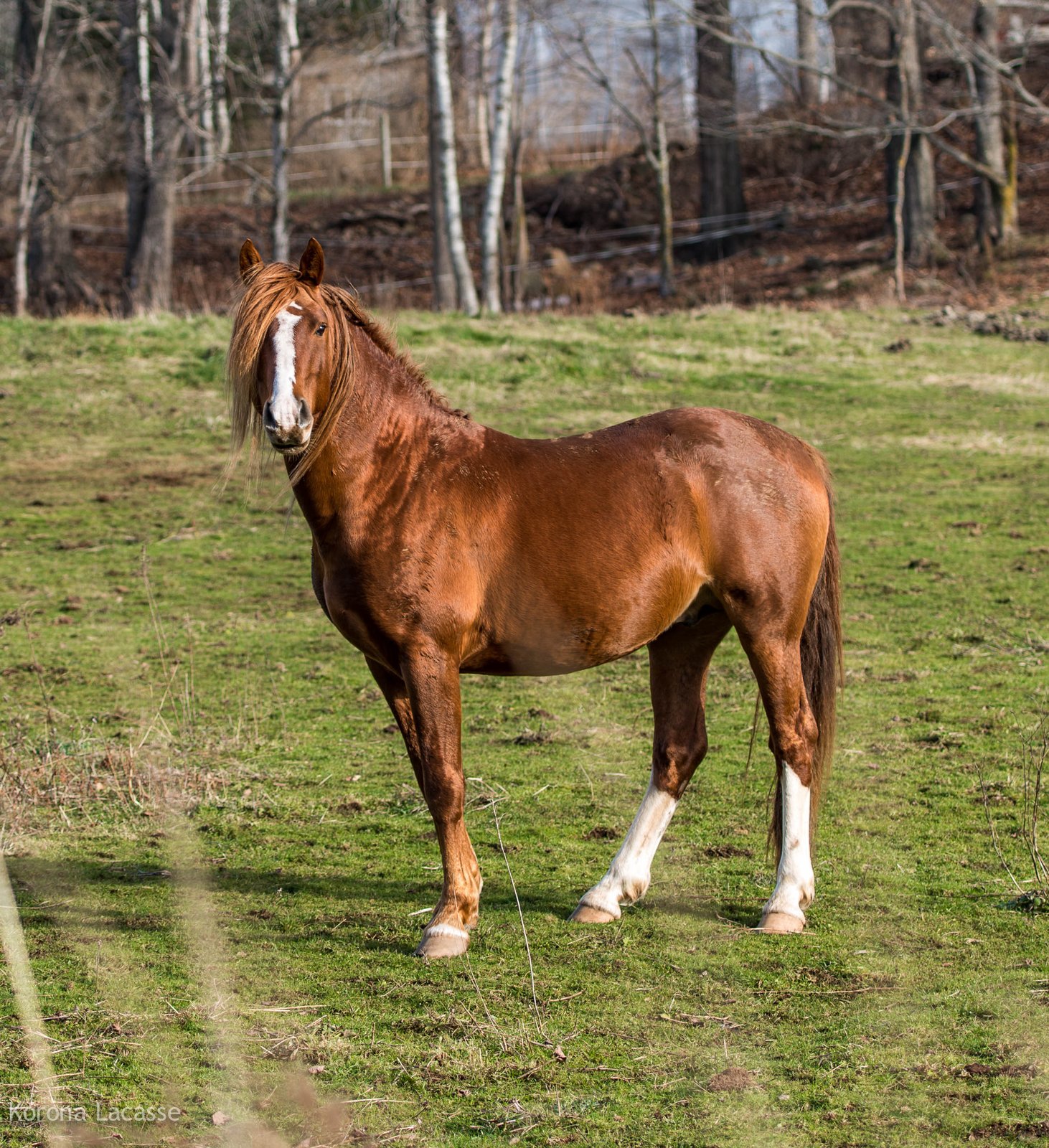
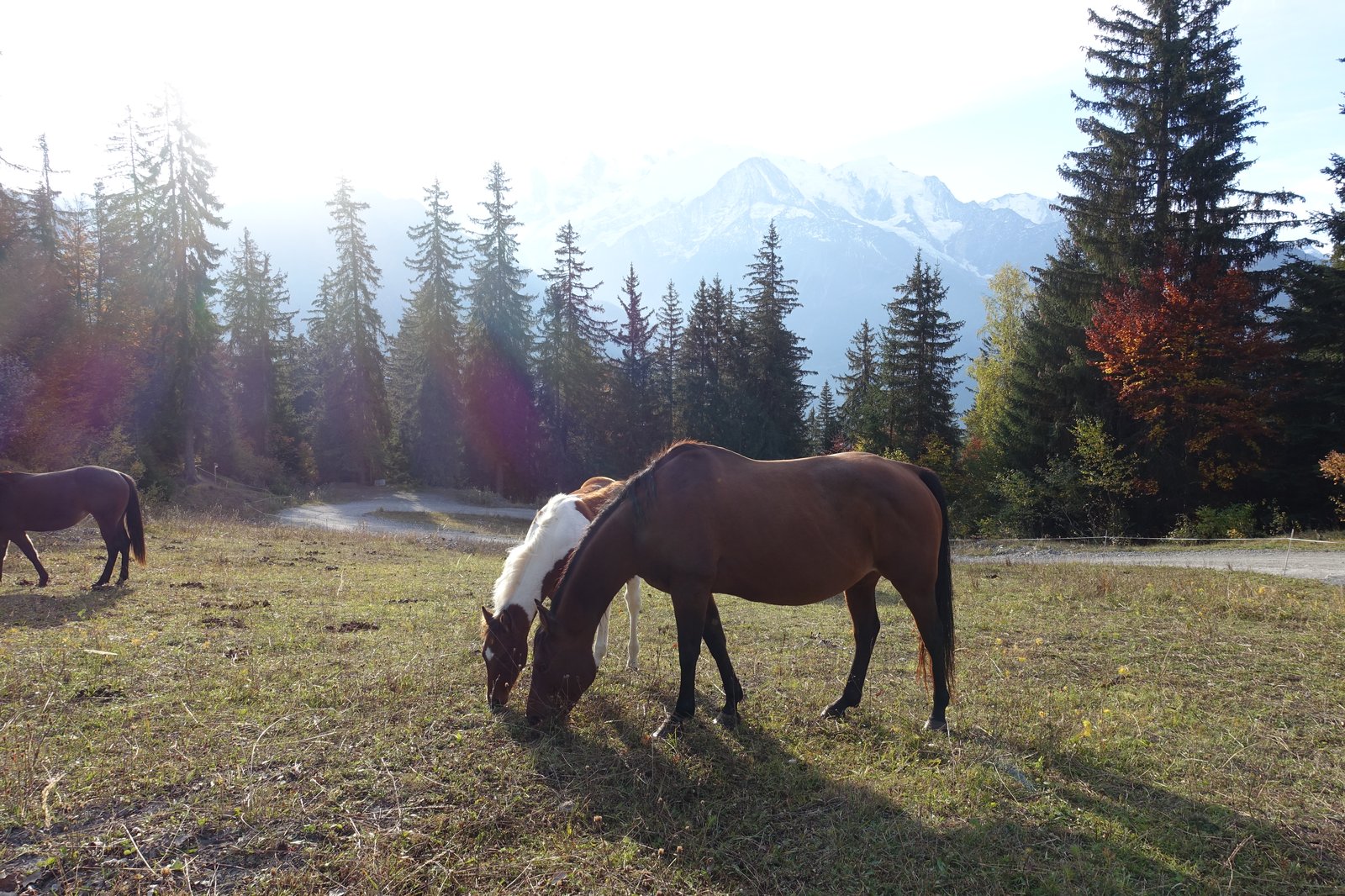
Fit the horse's body into a square. Its legs are about as long as the body is deep. Watch the hind leg's reverse bend at the hock.
 +4 more
Big cats Done
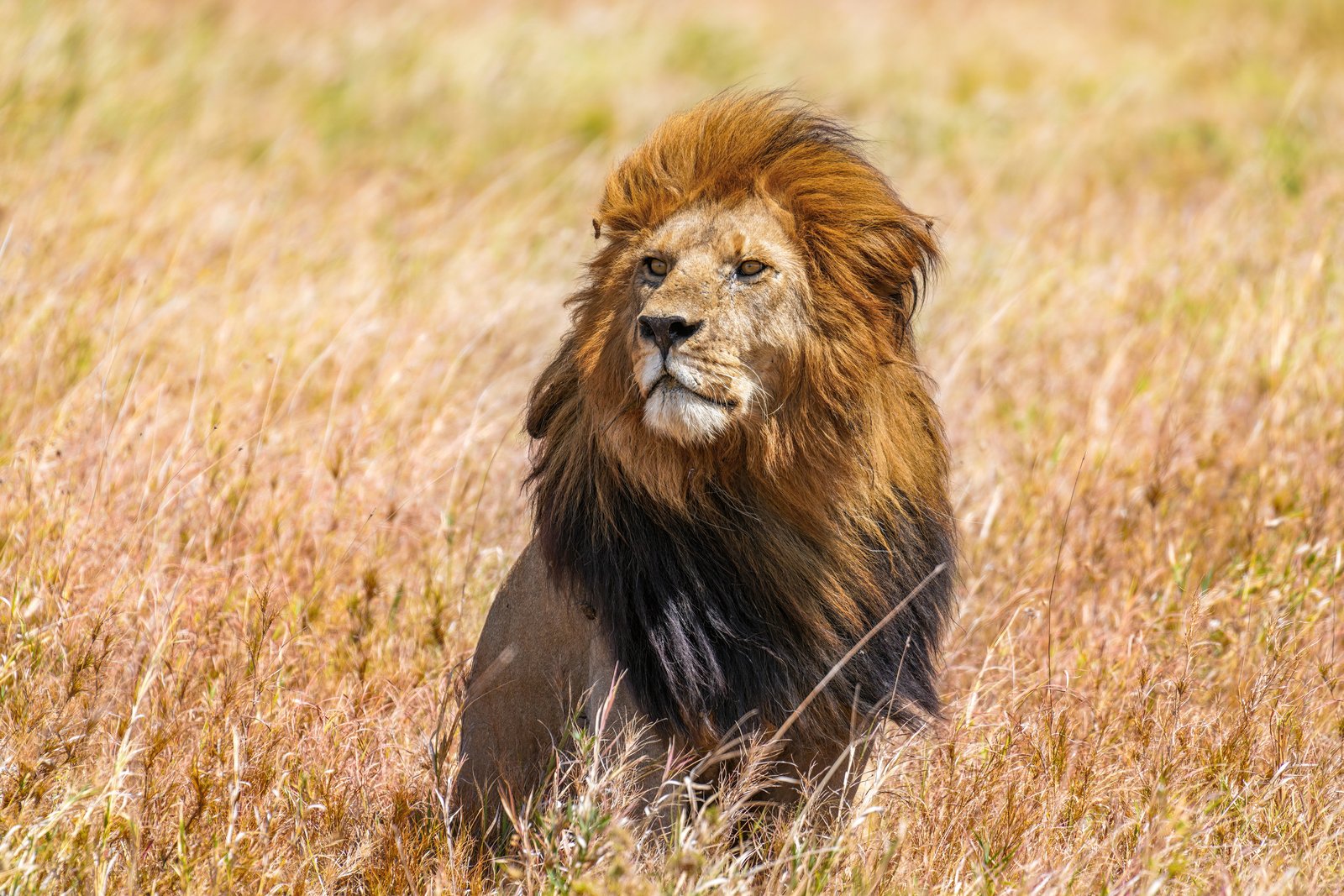
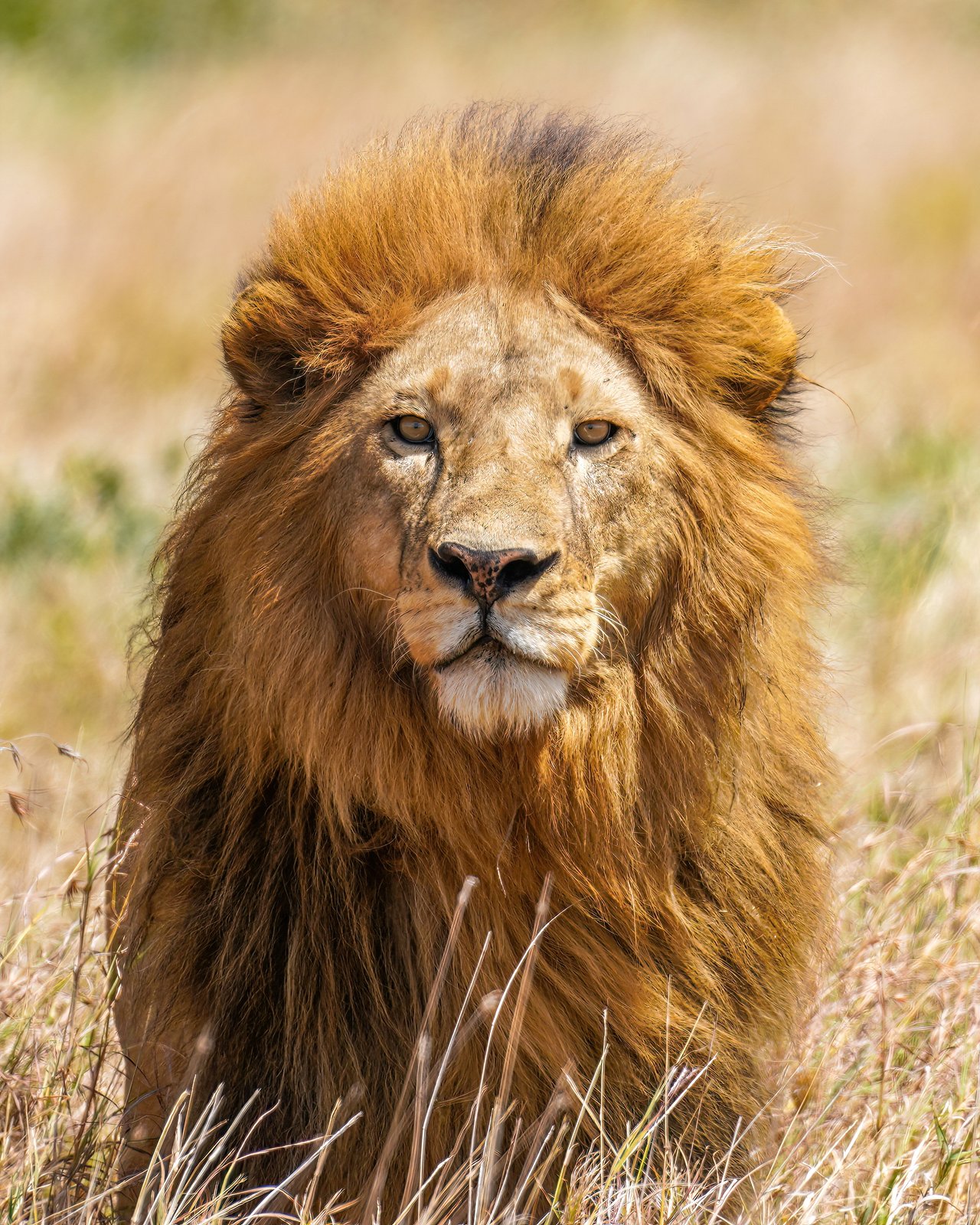
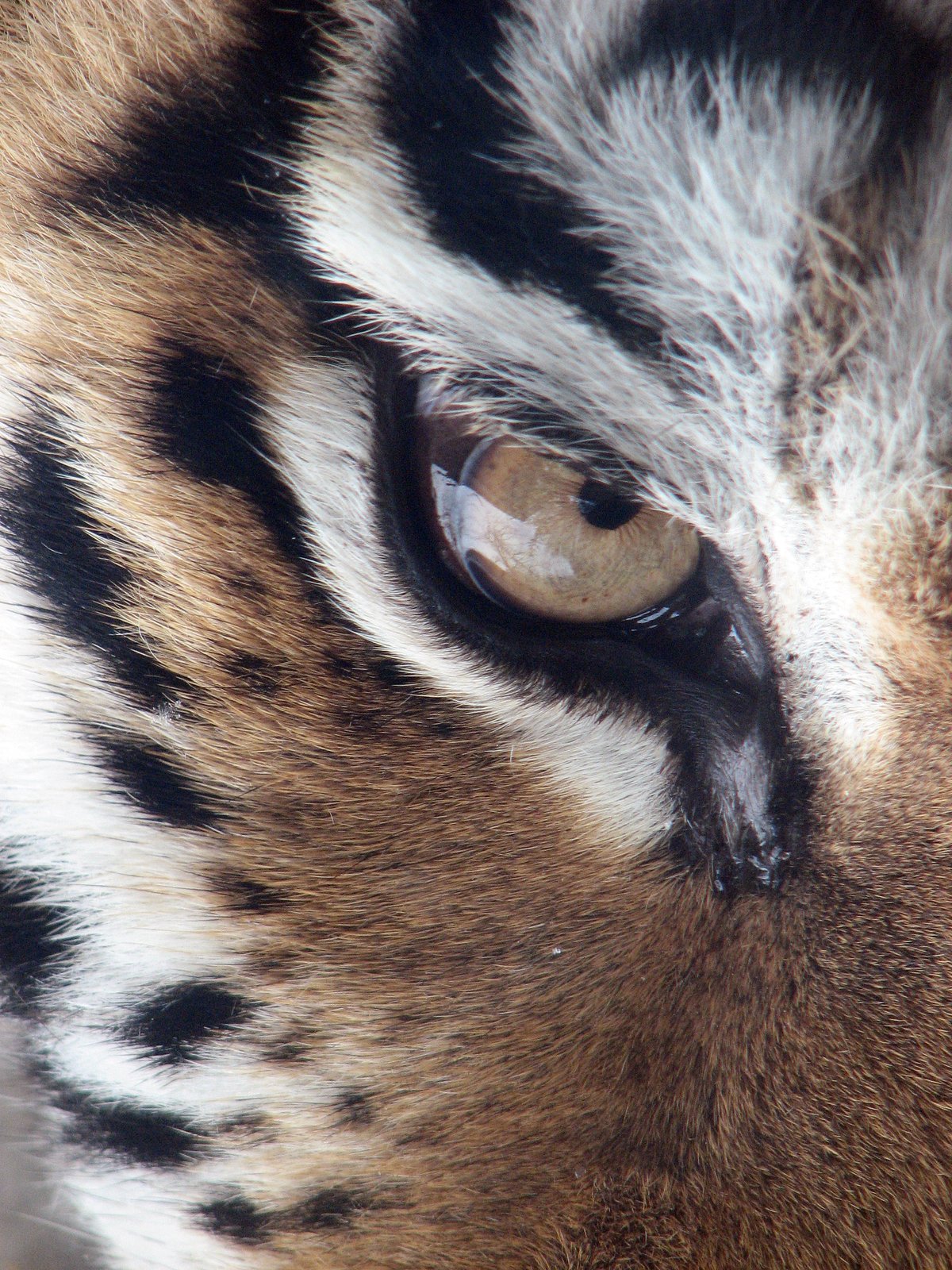
Cats move from the shoulder blades, which ride high when they walk. Mark the shoulder and hip as the two anchor points and hang the spine between them.
 +1 more
Scales and texture Done
Don't draw every scale. Draw a few clearly where the form turns toward the light and let them fade elsewhere. Texture is information, and too much of it flattens the form.
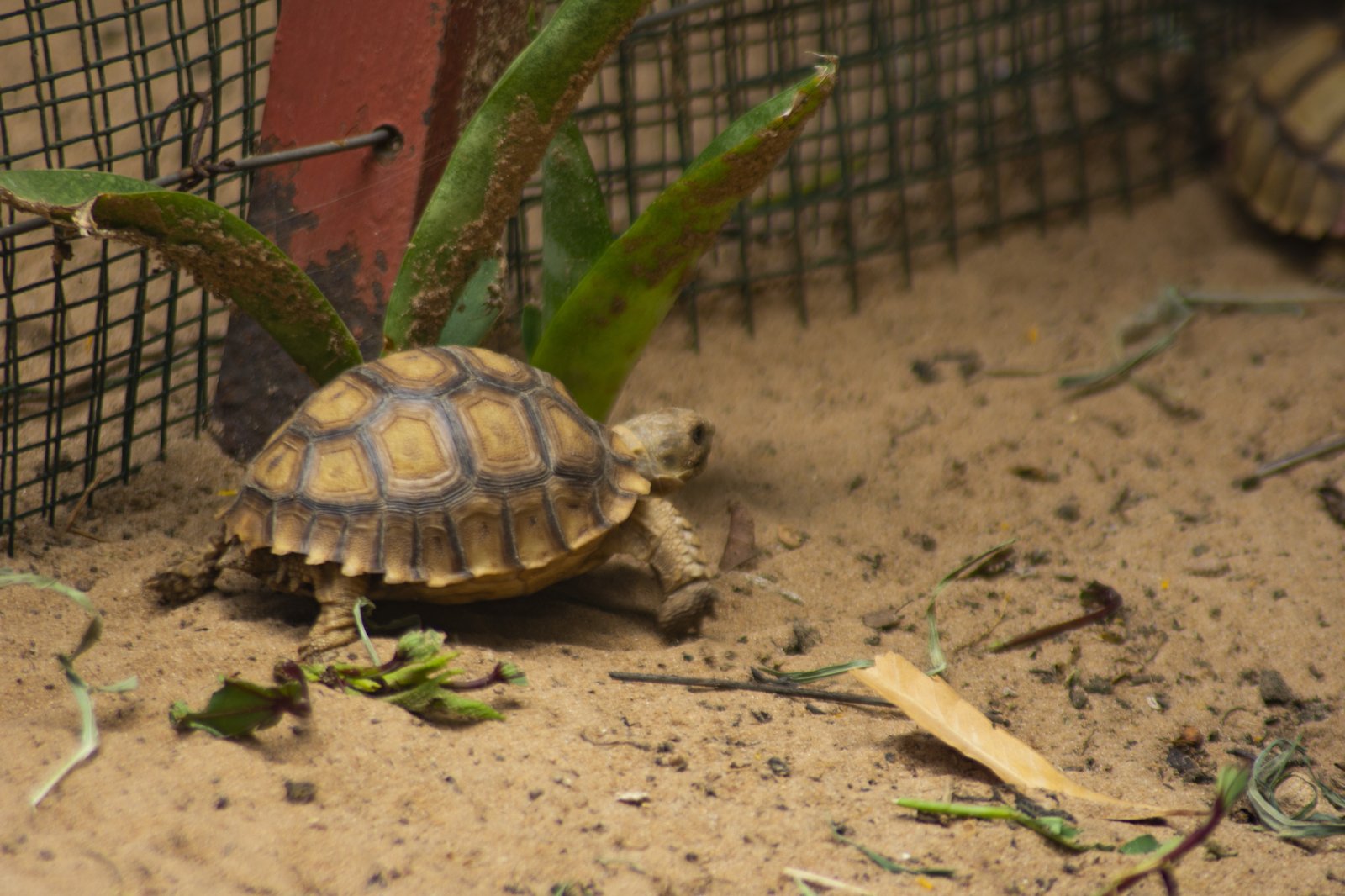
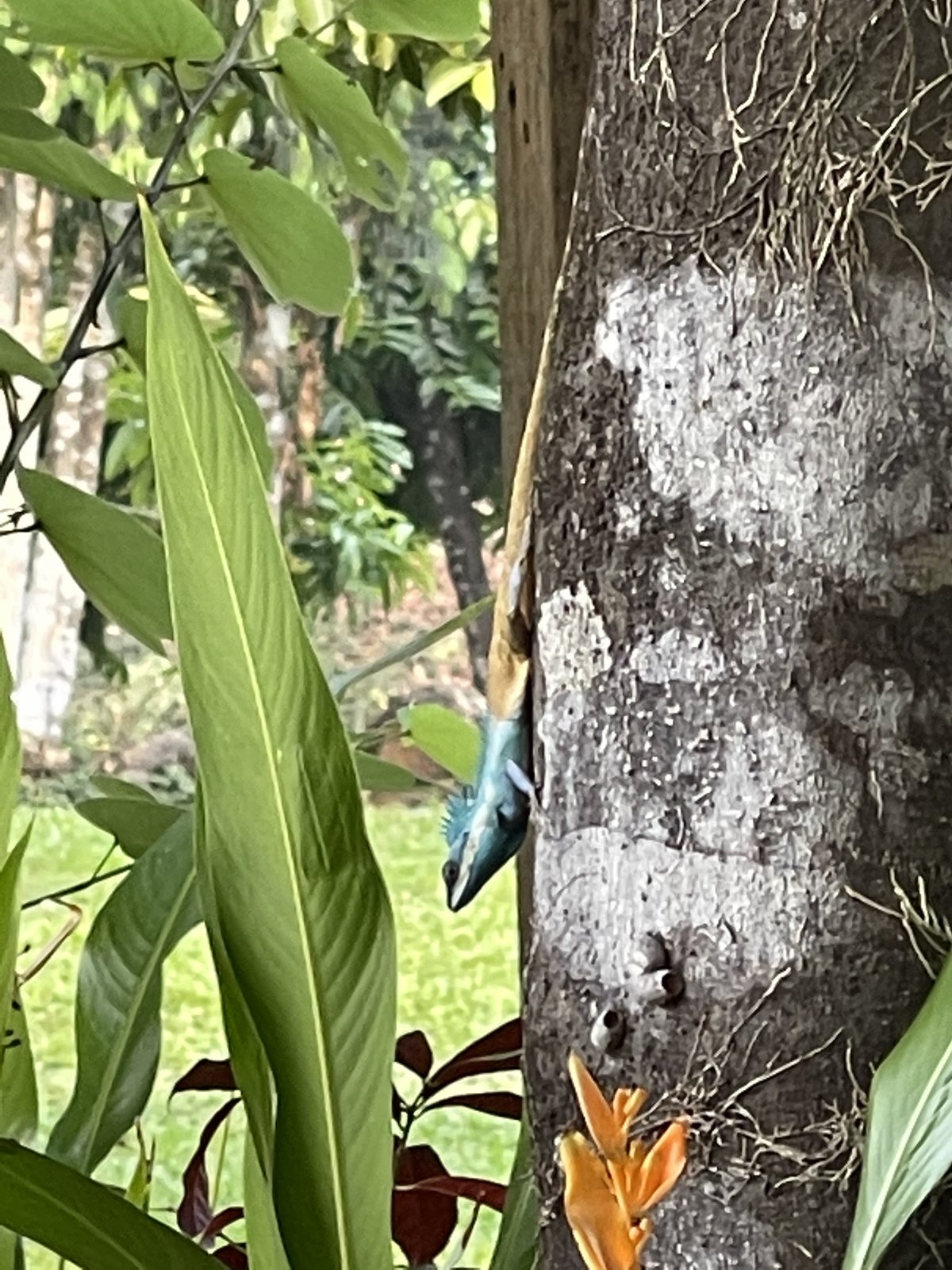
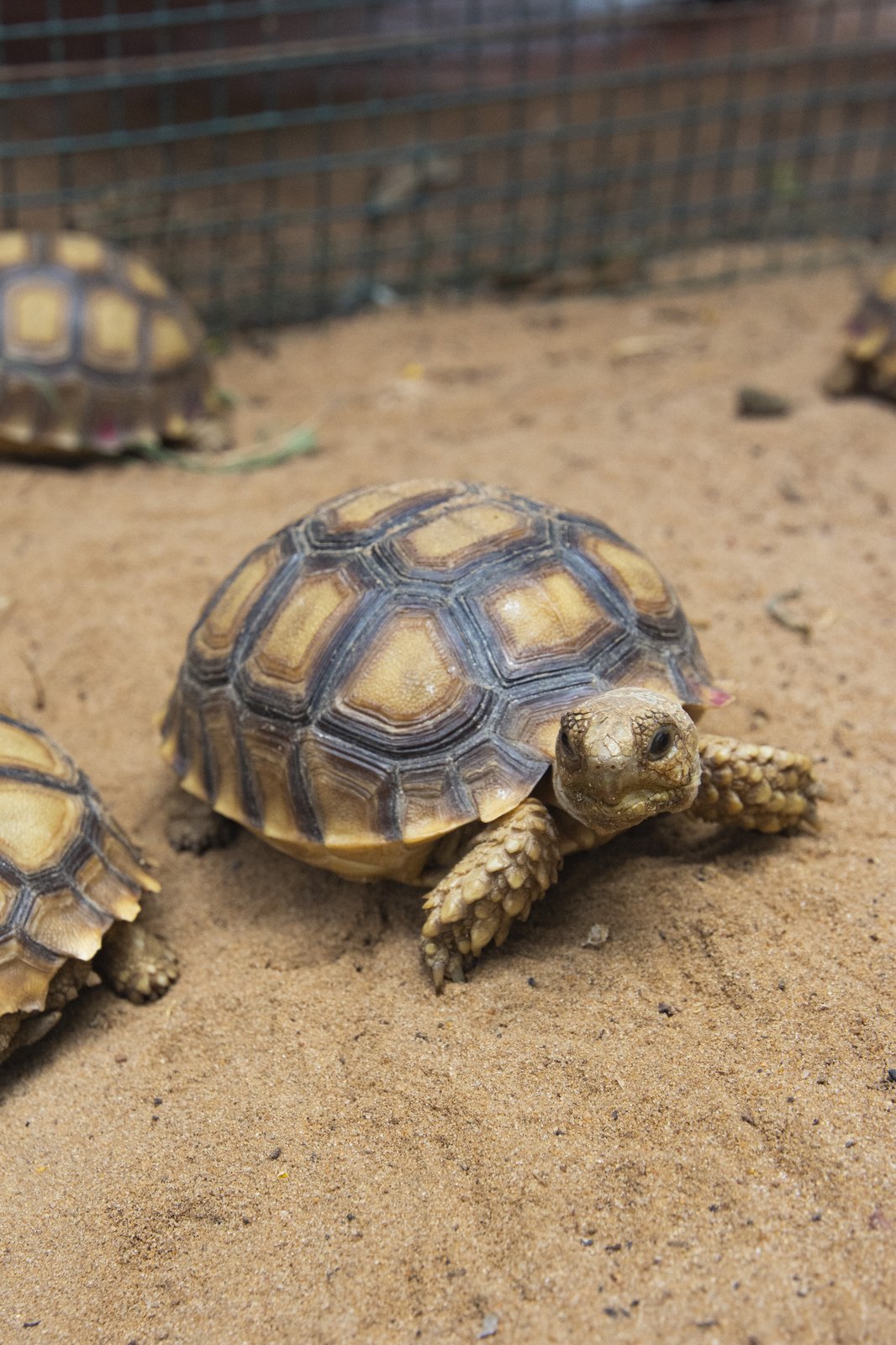
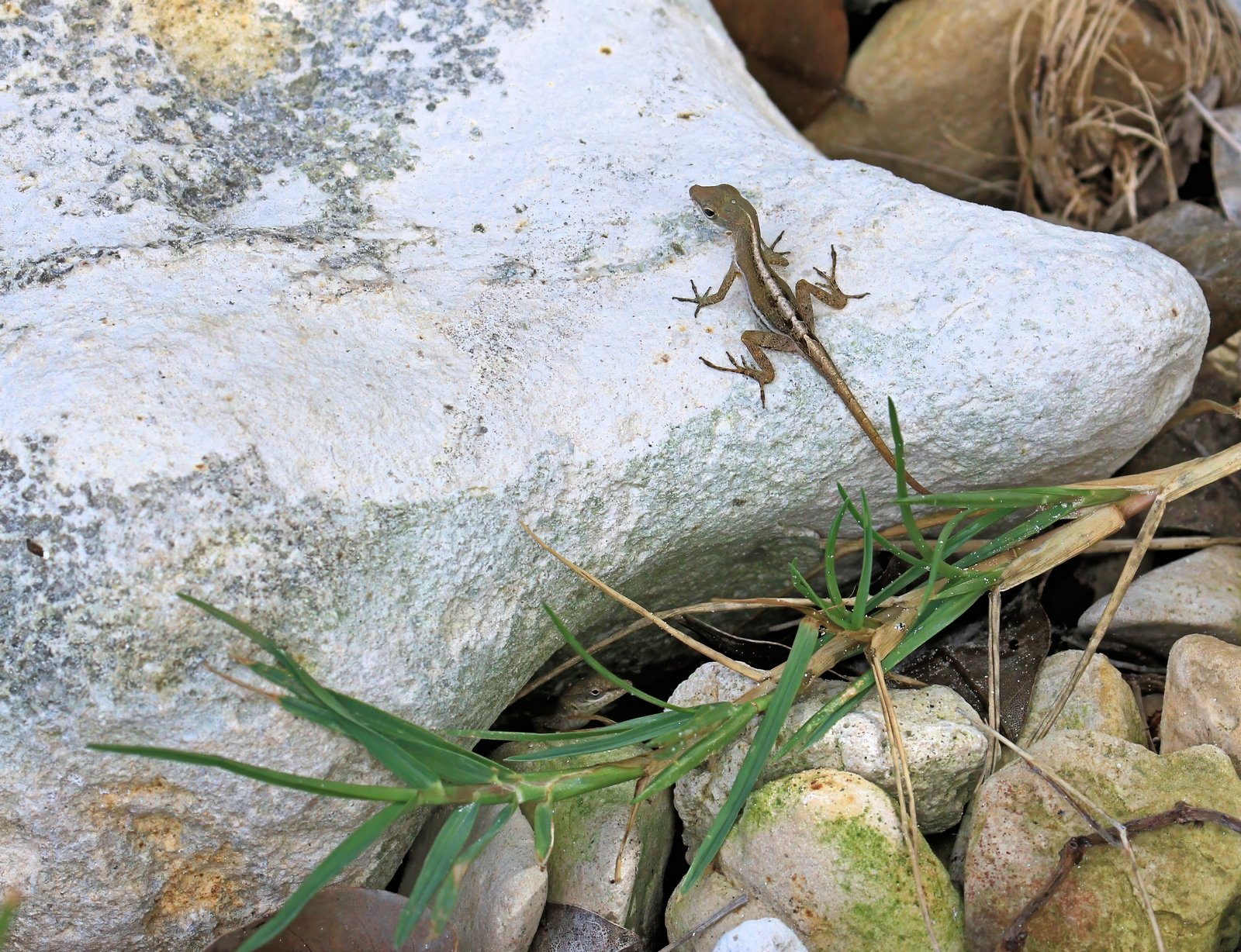 +2 more
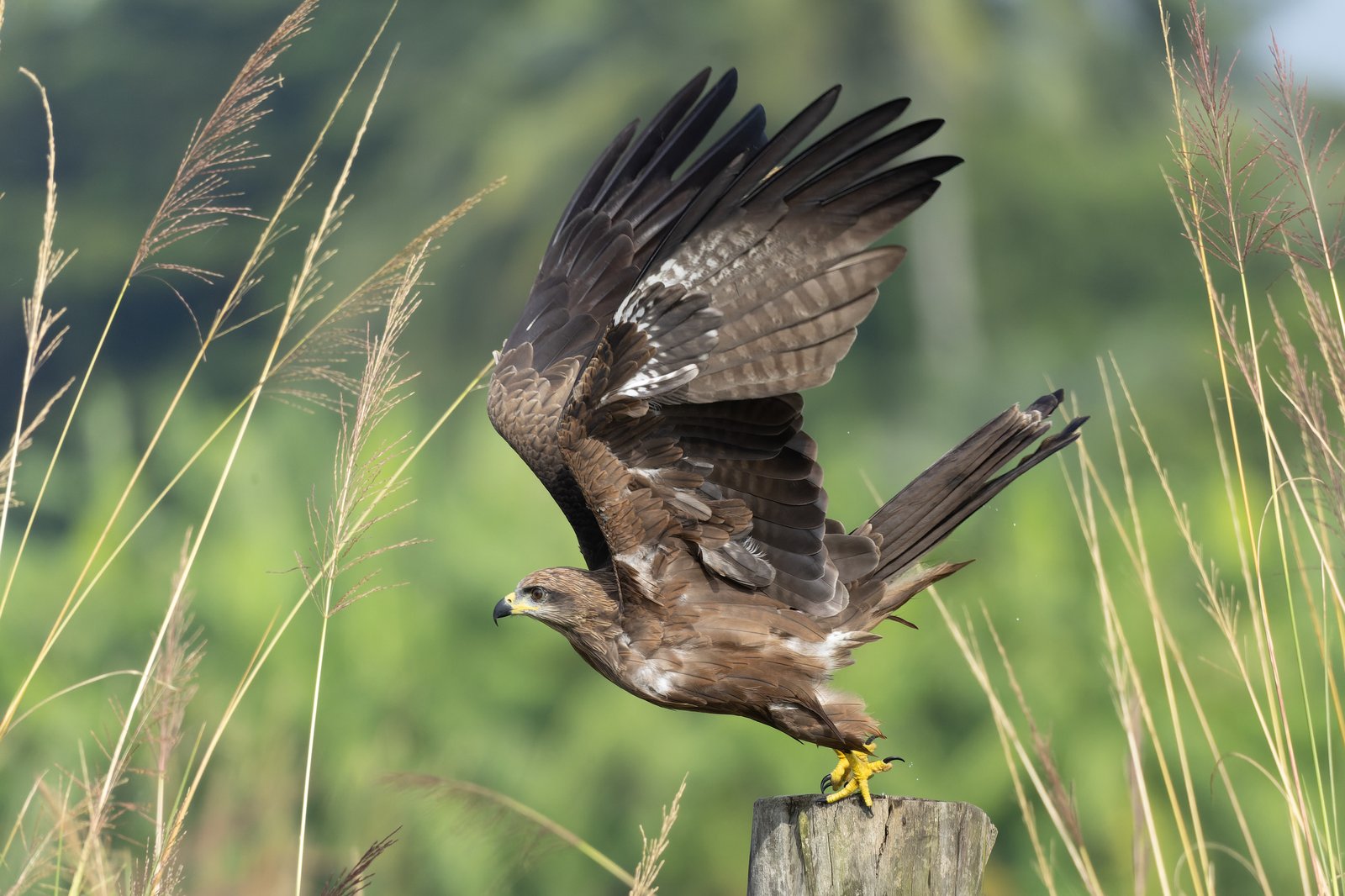
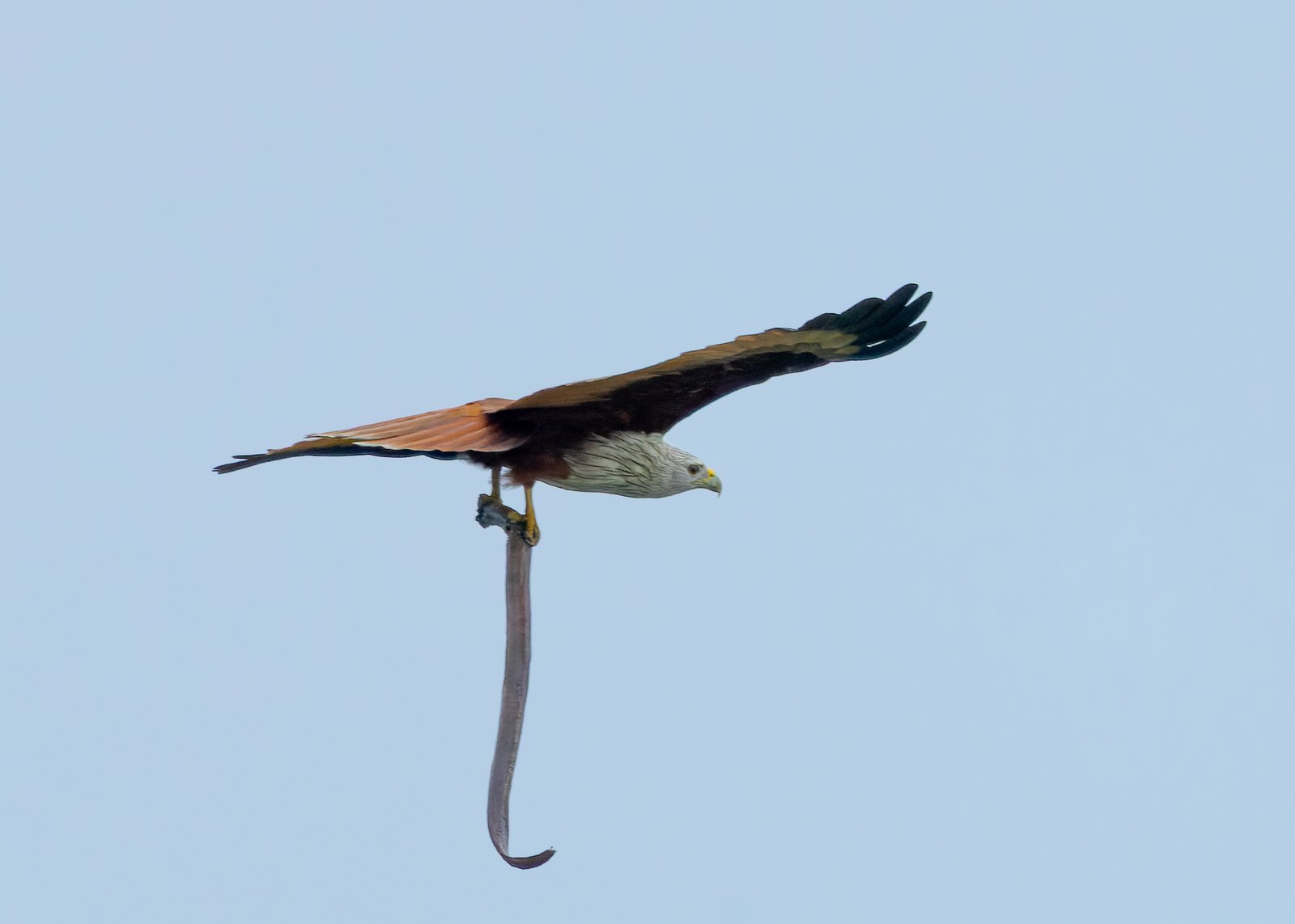
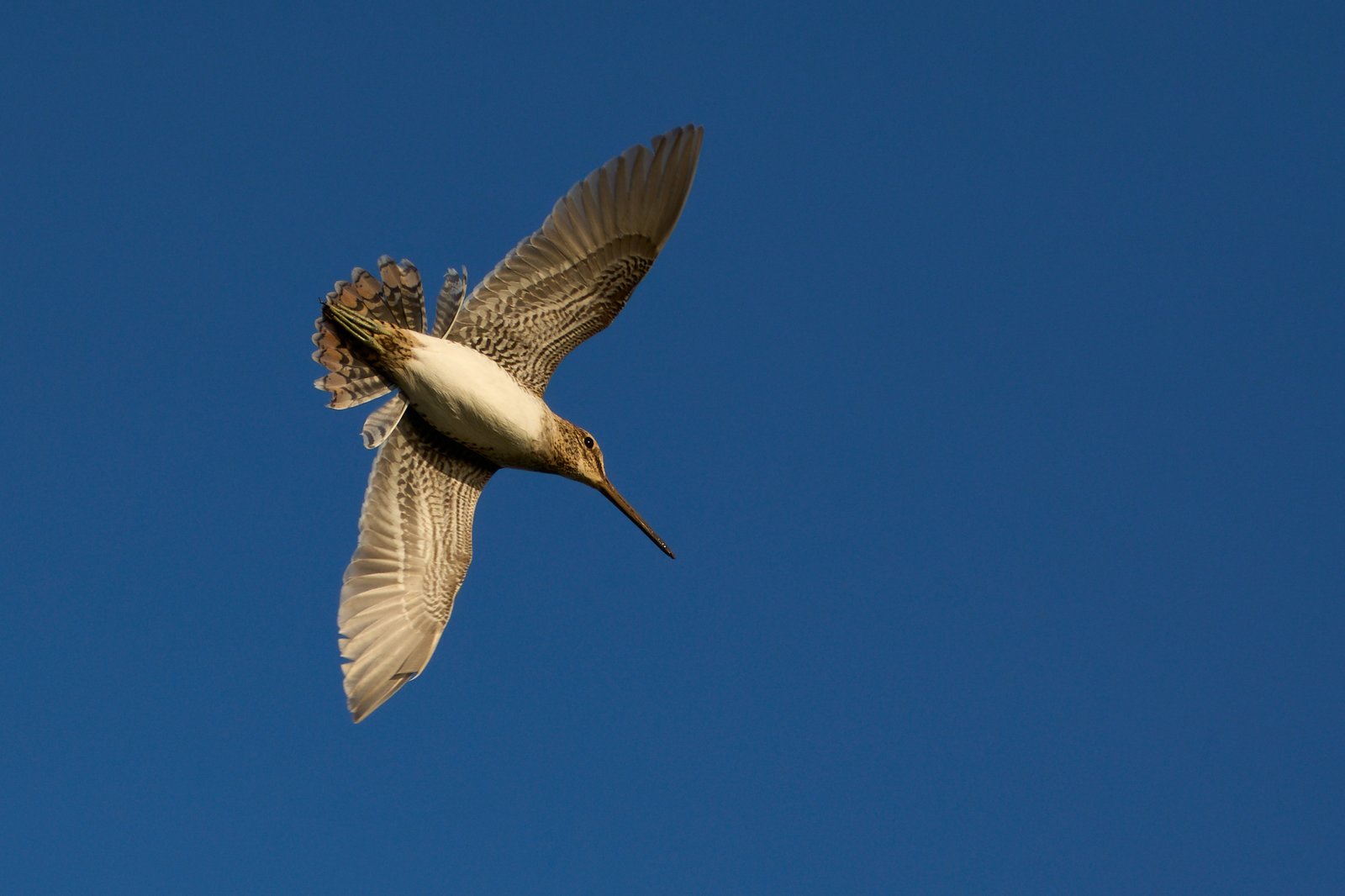
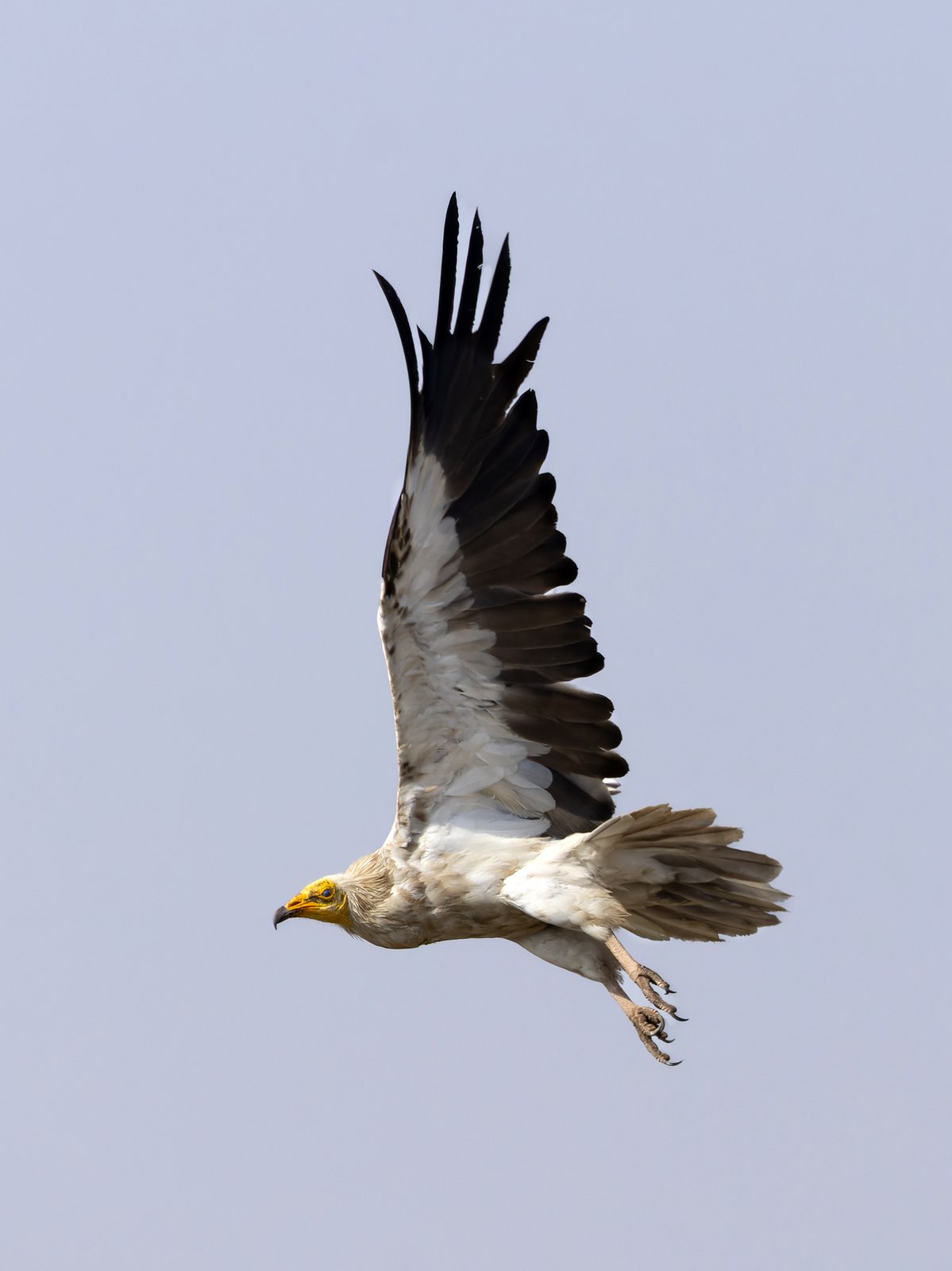
Wings in motion Done
Thirty seconds per bird. Capture the angle of the wings and the direction of flight in a few strokes. Speed forces you to keep only what matters.
 +6 more